

By Suleiman Tajudeen
…Continued from last week
CITIZENS COMPASS— increased self-medication with tramadol and codeine among troops.
There are no official public statistics for the military for security reasons, but evidence from multiple sources indicates it is significant.
Internal Military Actions: The Nigerian Army, Navy, Air Force, and Police have, at different times, dismissed, demoted, or court-martialed personnel for drug-related offences between 2020 and 2024.
NDLEA Operations: The National Drug Law and Enforcement Agency (NDLEA) frequently arrests soldiers, police, and NSCDC officers for possession or trafficking of illicit drugs. Checkpoints and barracks raids are common.
Conflict zones: A 2022 report by the Centre for Democracy and Development (CDD) noted higher drug use among troops deployed to the Northeast, where Tramadol is used as a ‘combat drug’ to stay alert and suppress fear.
Comparison: While UNODC’s 2018 survey put national drug use at 14.4% of Nigerians aged 15-64, the rate is believed to be higher among young, male, frontline security personnel due to job stress and peer influence.
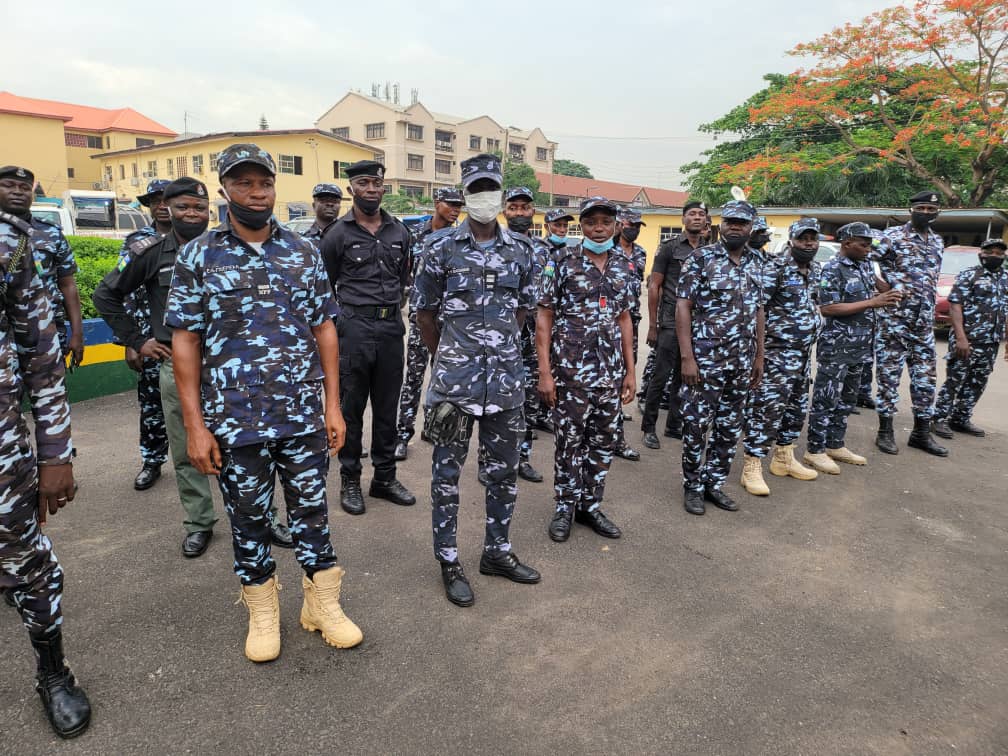
Agencies affected: It cuts across the Nigerian Army, Nigerian Navy, Nigeria Police Force, and sister agencies. No agency is completely immune.
Major causes
Operational stress & trauma: Exposure to combat, death of colleagues, ambushes, and PTSD leads some to use drugs to cope, sleep, or ‘numb’ emotions.
Peer Influence: In barracks and units, senior colleagues may introduce juniors to ‘energy tablets’ to survive long patrols or night shifts.
Job demands: Long hours, night duty, and lack of rest push some to use stimulants like tramadol or codeine to stay awake.
Easy availability: Drug markets near barracks, corrupt pharmacies, and porous borders make codeine and tramadol cheap and accessible.
Poor welfare conditions: Delayed salaries, poor accommodation, inadequate medical care, and low morale increase frustration and substance use.
Lack of awareness: Many recruits do not understand the long-term effects of drugs on health, career, and mental state.
Corruption and exposure: Personnel in drug interdiction units are sometimes compromised by traffickers and become users or collaborators.
Effects/consequences
Health effects
Physical: Liver and kidney damage, seizures, heart problems, addiction, overdose, and death.
Mental: Psychosis, paranoia, aggression, depression, hallucinations, and suicidal thoughts.
Professional and operational effects
Impaired judgment: Leads to accidental discharge, excessive use of force, and abuse of civilians.
Reduced Combat Effectiveness: Drowsiness, poor coordination, and slow reaction time during attacks.
Disciplinary issues: Absenteeism, lateness, fighting, insubordination, and loss of sensitive weapons.
Security compromise: Addicted personnel can be blackmailed by criminals to leak information.
National and institutional effects:
Loss of public confidence: Citizens fear intoxicated armed personnel at checkpoints.
Higher casualties: Intoxicated troops are more vulnerable to insurgents and bandits.
International embarrassment: Affects Nigeria’s image in United Nations peacekeeping missions.
Link to insecurity: Drug money fuels corruption and collusion with bandits, kidnappers, and terrorists.
Prevention strategies
Prevention focuses on stopping the problem before it starts.
Mandatory drug testing: Pre-recruitment, random, and post-incident testing for all personnel across all agencies.
Intensive Sensitization: Include drug abuse education in recruit training, and regular lectures using real-life case studies.
Welfare reform: Improve salaries, housing, medical care, and rotation policy to reduce stress and frustration.
Supply Chain Control: Full enforcement of National Agency for Food and Drug Administration and Control (NAFDAC) and NDLEA bans on codeine and tramadol. Clamp down on illegal drug markets near barracks.
Leadership by example: Commanders must enforce zero tolerance and avoid looking away due to ‘manpower needs’.
Psychological support: Provide pre-deployment and post-deployment counseling for troops.
Management and rehabilitation
Management deals with personnel who are already addicted. It requires a balance of discipline and care.
Confidential counseling units: Establish drug counseling and mental health units in military/police hospitals to reduce stigma.
Medical rehabilitation:Refer addicted personnel to NDLEA or military rehab centers for detoxification and therapy instead of immediate dismissal for users.
Therapeutic Disciplinary Model: NDLEA Act allows treatment for users. Agencies should separate ‘users’ who need help from ‘dealers’ who should be prosecuted.
Trauma therapy: Specialized Post-Traumatic Stress Disorder
(PTSD) treatment for personnel returning from insurgency operations.
Aftercare & Monitoring: Post-rehabilitation follow-up, mentorship, and avoidance of high-risk postings for at least 1 year.
Strict law for traffickers: Zero tolerance and severe punishment for any personnel involved in drug trafficking.
Conclusion
Drug abuse among security personnel in Nigeria is a direct threat to national security. It is fueled by stress, availability, and systemic gaps, and its effects include loss of lives, indiscipline, and erosion of public trust. A combined approach of prevention, welfare improvement, education, and rehabilitation is critical to securing the force and the nation in general.
References
– National Drug Law Enforcement Agency. (n.d.). _Annual report on drug-related arrests and operations_. NDLEA.
– National Agency for Food and Drug Administration and Control. (2018). _Ban on codeine-containing cough syrups_. NAFDAC.
– United Nations Office on Drugs and Crime. (2018). _Drug use in Nigeria 2018: National survey_. UNODC. https://www.unodc.org
– Centre for Democracy and Development. (2022). _Drugs and conflict: Substance abuse among security personnel in Nigeria’s Northeast. CDD West Africa.
For questions and medical consultations, contact: Dr. Suleiman Tajudeen, CEO and Director of Clinical Psychology, Clear Mind Psychological Consult, Km 15, Badagry Expressway, Ojo, Lagos. +234 803 402 4457