



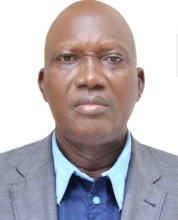
By Suleiman Tajudeen
CITIZENS COMPASS— Stress is the body and mind’s response to demands that exceed a person’s coping ability. It involves physical, emotional, and behavioural changes that occur when an individual perceives that the challenges they face are greater than the resources available to manage them.
Stress can be acute, lasting only minutes to hours, or chronic, persisting for weeks to years. It is not an illness in itself, but it is a significant risk factor for many physical and mental health disorders. While negative stress, or distress, impairs functioning, positive stress known as eustress can motivate performance and help people meet challenges.
The experience of stress depends largely on perception, meaning that the same event may be stressful to one person and not to another. It reflects the interaction between a person and their environment, disrupts homeostasis, and if unmanaged, can lead to serious health consequences.
Historically, the concept of stress has undergone significant evolution. Globally, before the 20th century, stress was not recognized as a distinct entity but was described in terms such as melancholy, nerves, or overwork. In 1936, Hans Selye coined the term “stress” in medicine and introduced the General Adaptation Syndrome, which outlined the stages of alarm, resistance, and exhaustion. During the 1940s and 1950s, stress was linked to cardiovascular disease and combat fatigue among soldiers. In 1966, Richard Lazarus developed Cognitive Appraisal Theory, emphasizing that stress depends on how individuals interpret events. By the 1980s, the Diagnostic and Statistical Manual recognized stress-related disorders, and in the 1990s workplace stress became a major public health concern in Europe and the United States. The World Health Organization declared stress a global health epidemic in the 2000s, and in the 2010s burnout was formally recognized as an occupational phenomenon. The COVID-19 pandemic further increased global stress levels due to isolation, fear, and economic loss. Today, stress is studied across neuroscience, psychology, and public health as a central factor in both physical and mental illness.
In Nigeria, the experience of stress has been shaped by the country’s social and political history. In pre-colonial times, stress arose from war, famine, and disease, but strong communal support systems buffered it. The colonial era introduced wage labor, urban migration, and new diseases, which created new forms of psychosocial strain. The Nigerian Civil War of the 1960s and 1970s caused mass trauma and displacement. Economic difficulties in the 1980s and 1990s, particularly through the Structural Adjustment Program, led to job losses and inflation that increased chronic stress. Political violence and militancy in the Niger Delta further added to insecurity. From 2009 onward, the Boko Haram insurgency caused widespread trauma and displacement, while herdsmen conflicts and kidnapping from 2015 onward added to rural insecurity. The COVID-19 lockdowns in 2020 increased economic and domestic stress, and from 2023 onward the removal of fuel subsidies and rising inflation have become major stressors for many Nigerians. Over time, the breakdown of the extended family system has weakened traditional coping mechanisms, leaving many individuals more vulnerable.
Stress operates on physiological, psychological, and sociological levels. Physiologically, stress activates the hypothalamic-pituitary-adrenal axis, leading to the release of adrenaline and cortisol. These hormones increase heart rate, blood pressure, respiratory rate, and blood glucose, while slowing digestion and tensing muscles to prepare the body for action. With prolonged activation, immune function is suppressed, sleep is disturbed, and the risk of hypertension, ulcers, diabetes, and weakened immunity increases. Psychologically, stress is shaped by cognitive appraisal, where individuals interpret situations as threatening or manageable. It often leads to anxiety, irritability, low motivation, poor concentration, negative self-talk, and indecision. Over time, these patterns can contribute to depression and anxiety disorders. Sociologically, stress is influenced by social roles, support systems, culture, and environment. Role conflict, poverty, unemployment, insecurity, urban overcrowding, social media pressure, discrimination, and the breakdown of traditional support systems all contribute to the burden of stress in Nigerian society.
The major causes of stress are diverse and often interrelated. Economic hardship, including inflation, debt, unemployment, and low income, is a leading cause. Job and academic pressure from overwork, exams, and poor working conditions also contribute significantly. Family issues such as marital conflict, parenting challenges, and caregiving burdens add to the load. Health problems, insecurity, environmental factors like noise and traffic, life transitions, personal traits such as perfectionism, social isolation, and information overload from media exposure all serve as common stressors.
If left unmanaged, stress produces wide-ranging effects. Physically, it contributes to hypertension, heart disease, stroke, and peptic ulcers. It weakens immunity, leading to frequent infections and delayed healing. Sleep disturbances, fatigue, and daytime drowsiness are common. Mentally, stress is linked to anxiety, depression, burnout, and panic attacks. Cognitively, it impairs memory, concentration, and decision-making. Behaviorally, it can lead to substance abuse, overeating, aggression, and social withdrawal. At the social level, stress results in absenteeism, poor performance, family conflict, and family breakdown. Economically, it increases healthcare costs and reduces productivity. In Nigeria, chronic stress contributes significantly to the high rates of hypertension, stroke, and mental illness seen in primary health care settings.
Prevention
To be continued…
For enquiries and medical consultations, contact: Dr. Suleiman Tajudeen, CEO and Director of Clinical Psychology, Clear Mind Psychological Consult, Km 15, Badagry Expressway, Ojo, Lagos. +234 803 402 4457