

…Seeks Tinubu’s intervention
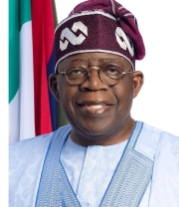
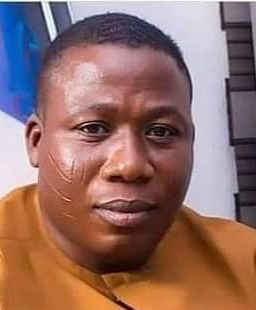
CITIZENS COMPASS— A Fulani socio-cultural organisation, The Concerned Fulani People of Nigeria, has called on President Bola Ahmed Tinubu, Oyo State Governor Seyi Makinde, and governors across the South-West region to intervene and caution Yoruba nation activist Sunday Adeyemo, popularly known as Sunday Igboho, over what it described as inflammatory remarks directed at Fulani communities in Oyo State.
The group’s reaction follows reports that Igboho issued a two-hour ultimatum to Fulani leaders in Oyo State over the alleged abduction of a woman, her children, and a sibling by suspected kidnappers.
According to media reports titled “We’ll Clash: Sunday Igboho Issues Two-Hour Ultimatum to Fulani Leaders Over Abducted Oyo Residents,” Igboho threatened to confront those he believed were responsible if the victims were not released within the stipulated period.
“I am giving them two hours. They must return the woman, her children and siblings whom they kidnapped overnight. If I don’t see them within those two hours, we will clash,” he was quoted as saying.
He further stated that he was prepared to invade a forest reserve where he alleged the kidnappers were operating from if the victims were not released.
“That forest reserve where they camp, we are coming there. We will invade that forest. Since they have said they won’t live with us in peace, we too will fight with everything we have,” he reportedly said.
Reacting to the development, the Fulani group warned that continued profiling of Fulani communities for criminal activities allegedly committed by individuals could deepen ethnic tensions and undermine efforts to promote peace and security in the country.
In a statement dated Sunday June 21, 2026, and signed by its Convener, Ibrahim Barkindo Chubado, the organization emphasized that Fulani race remains opposed to terrorism, banditry, kidnapping, and all forms of criminality, but insisted that criminal acts should not be attributed to an entire ethnic group.
The group stated that Fulani people are law-abiding citizens and should not be collectively blamed for the actions of criminals operating in various parts of the country.
According to the statement, the organization is concerned about what it described as a recurring trend of associating Fulani communities with criminal activities without sufficient evidence, arguing that such generalizations could fuel hostility and violence.
The group further alleged that previous confrontations against Fulani settlements in parts of Oyo State resulted in the loss of lives of many Fulani residents including pregnant women in agonising manner, destruction of their properties, and displacement of many Fulani residents. It claimed that innocent Fulani herders and their families had been targeted during past crises and maintained that many of the accusations made against the communities were later found not to involve Fulani but Yoruba individuals.
The statement also referenced past incidents in Ibarapa and Iganna areas of Oyo State, where the organization alleged that Fulani residents suffered casualties during communal conflicts. It called for an impartial approach to addressing security challenges and urged authorities to rely on investigations and evidence rather than ethnic profiling.
The organisation noted that while criminal elements may exist among all ethnic groups, such individuals should be identified and prosecuted as criminals rather than being used to stigmatize entire communities.
“We are not saying there are no bad eggs among Fulani, Hausa or other Northern ethnic groups. However, criminals should be treated as criminals and not profiled based on ethnicity or religion,” the statement said.
The group also highlighted the long-standing challenges associated with farmer-herder conflicts, describing them primarily as economic disputes that should not be transformed into ethnic or religious confrontations.
It warned that inflammatory rhetoric and ethnic tensions could worsen insecurity and threaten national unity if not properly addressed.
Consequently, the organization called on President Tinubu, Governor Makinde, and other South-West governors to take proactive steps to de-escalate tensions and encourage peaceful coexistence among all ethnic groups by calling Sunday Igboho to order.
The statement concluded by urging Nigerians to support security agencies in combating kidnapping, banditry, and other forms of criminality without resorting to ethnic or religious generalisations.