

By Ibrahim Barkindo Chubado
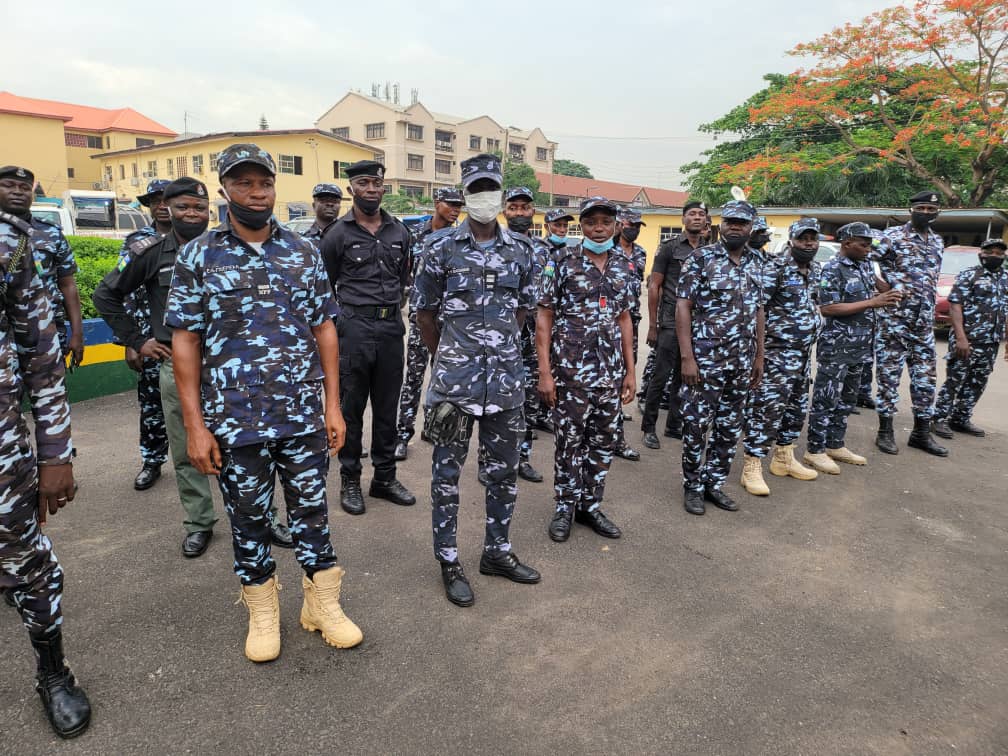
CITIZENS COMPASS— The killing of four suspected kidnappers during a security operation in Lagos State has sparked conversations about insecurity, ethnicity, and public reactions to crime in Nigeria.
According to some accounts circulating on social media, the suspects were allegedly involved in kidnapping activities that have worsened the insecurity pattern in the nation’s situation in recent times and were reportedly killed during a confrontation with security operatives. Reports also indicate that a police officer lost his life during the operation.
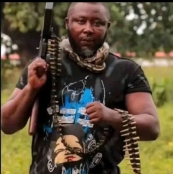
The gang leader was identified as Ifeanyi, popularly known as “Ifeko,” and claimed he had been linked to previous kidnapping activities within the state. It was further said that the suspect had connections to a notorious kidnapping network whose members were killed during a police operation at Ladipo International Spare Parts Market in 2024.
What has generated significant debate online is not only the incident itself but also the reaction that followed. Some commentators have claimed that the suspects were of Igbo origin from Nigeria’s South East region, arguing that there has been relatively little public discussion about the ethnic background of the alleged criminals, which would have been the other way round if the headline had been “4 Fulani kidnappers killed in Lagos”.
Critics point to what they describe as a pattern of selective outrage in public discourse. They argue that when criminal suspects are identified as belonging to certain ethnic groups, particularly Fulani, the story often receives widespread attention across social media platforms, blogs, and mainstream news outlets. In contrast, they contend that incidents involving suspects from other ethnic backgrounds do not generate the same level of public engagement or scrutiny.
The controversy has also extended to researchers, civil society organizations, media institutions, and social media influencers who frequently comment on issues of insecurity in Nigeria. Some observers question why these voices have remained largely silent about the ethnicity of the suspects in this particular case, while being more vocal in other incidents.
Supporters of this view have posed a hypothetical question: if the headline had read, “Four Fulani Kidnappers Killed in Lagos,” would the reaction from Nigerians, bloggers, traditional rulers, activists, media organizations, and social media influencers have been different?
Others, however, caution against framing criminal activity through an ethnic lens. They argue that crime should be addressed on an individual basis and that focusing on ethnicity risks deepening divisions in an already polarized society. They maintain that criminal acts should be condemned regardless of the background of those involved and that public attention should remain focused on improving security and ensuring justice for victims.
The debate reflects broader national conversations about insecurity, media narratives, ethnic identity, and the standards by which Nigerians discuss crime and violence across the country.
“Insecurity thrives when the unfortunate actors know that a particular ethnic or religious group is being stereotyped for the evils they perpetrate. Failure of political will power on the part of people elected into government to stop agents of insecurity and generalizing narratives by Nigerians themselves who are effectively made vocal by the media are major reasons insecurity in Nigeria has grown wider to the point of seeming unresolvable.
Report contributed by Ibrahim Barkindo Chubado of The Concerned Fulani People of Nigeria.