



…Continued from last week
CITIZENS COMPASS— The cause of infertility could not be easily traced, as it varies among patients. It can be from the man, the woman, both, or sometimes unknown.
Common causes in women:
Blocked tubes: From untreated STIs like gonorrhea, chlamydia, or unsafe abortion. This is very common in Nigeria.
Ovulation: Such as PCOS, thyroid issues, or stress.
Fibroids and endometriosis: Growths in the womb that affect implantation.
Age: Fertility drops after age 35.
Common causes in men:
Low sperm count or poor sperm movement
Varicocele: Swollen veins in the testicles
Infections: STIs, mumps
Lifestyle: Smoking, excess alcohol, drug abuse, tight pants, and too much heat
Other causes: Obesity, poor diet, excessive stress, and exposure to chemicals.
Effects go beyond physical outlook:
Infertility is not just a medical problem. In Nigeria it often becomes a social and emotional crisis.
Emotional: Depression, anxiety, guilt, and low self-esteem.
Marital: Misunderstanding, blame, divorce threats, and taking a second wife.
Social: Stigma, name-calling, isolation from family events.
Financial: Cost of repeated tests and treatments can be draining.
Cultural: Pressure from in-laws and resorting to harmful “miracle” herbs.
How to prevent infertility:
Prevention is possible in 3 levels:
Primary prevention: Avoid the causes
– Practice safe sex and treat STIs immediately. Don’t self-medicate.
– Avoid unsafe abortion. Use family planning and visit qualified clinics.
– Live healthy: Eat fruits and vegetables, exercise, maintain a healthy weight, stop smoking, and limit alcohol.
– Vaccinate girls against HPV to prevent cervical problems later.
Secondary prevention: Detect early
– If you have tried for 12 months without pregnancy, see a doctor. If the woman is over 35, seek help after 6 months.
– Men should do a semen analysis. Women should do ovulation and womb scans.
Tertiary prevention: Get support
– Counseling and support groups help couples cope during treatment.
Available treatment options in Nigeria:
Treatment depends on the cause. Many couples go on to have children.
Treatment:What it means and where it is available:
Medication: Tablets to boost ovulation or hormones
Surgery: Remove fibroids, repair tubes, treat varicocele Teaching hospitals
IUI: Washed sperm is placed in the womb. This is available at fertility centers
IVF: Egg and sperm are joined in the lab, and the embryo is placed in the womb. This is available in Lagos, Abuja, Port Harcourt, and Enugu
ICSI: Single sperm injected into egg Major IVF centers
Counseling:
Emotional support for couples: Hospitals and Non Governmental Osrganisations
Cost: An IVF cycle in Nigeria currently ranges from ₦1.2 million to ₦3.5 million. Some centers offer installment payments. The NHIA is also working to include fertility services in the future.
Key messages for Nigerians
Speak up early: Infertility is common. One in six couples face it worldwide.
It is not only a woman’s problem: Men should also get tested.
Don’t wait too long: Early treatment has better chances.
Avoid quacks: Visit a gynecologist, urologist, or accredited fertility center.
End the stigma: Support couples instead of blaming them.
In conclusion, infertility is a growing health and social issue in Nigeria, but it is not hopeless. With correct information, prevention of infections, early medical care, and support, many couples can fulfill their dream of parenthood.
Your health is your right. If you are struggling, talk to a doctor today. Visit the nearest teaching hospital or accredited fertility center.
Infertility is not the end of the road. Help is available in Nigeria and globally.
References:
World Health Organization, 2023. Infertility Fact Sheet. Geneva: WHO. Globocan and Guttmacher Institute, 2023. Federal
Ministry of Health Nigeria, 2022. Society of Gynaecology and Obstetrics of Nigeria SOGON.
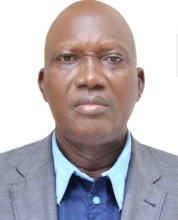
For questions or medical consultations, contact Dr. Suleiman Tajudeen, CEO and Director of Clinical Psychology, Clear Mind Psychological Consult, Km 15, Badagry Expressway, Ojo, Lagos. +234 803 402 4457