
CITIZENS COMPASS— Many Nigerians would have been thrown into mourning save for the promptness of the joint airstrikes carried out by the Federal Government and the United States forces on Christmas day.
Indications emerged over the weekend that the airstrikes averted terror attacks in four states.
This was according to security sources, who revealed that the four states are in the North-West area of the country.
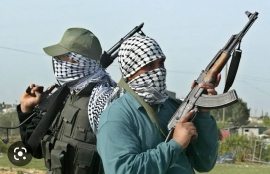
According to senior security and military officials, terrorists who infiltrated Nigeria through Sahel corridors from Mali and Burkina Faso had concluded preparations for coordinated terror attacks in Sokoto, Zamfara, Niger, and Katsina states before their staging grounds were struck and neutralised by the U.S. and Nigerian strike back.
Top military sources confirmed that the operation—executed by U.S. forces in close coordination with Nigerian authorities—achieved its core objective: preventing imminent mass-casualty attacks that were reportedly scheduled around the Christmas and New Year period.
“It was a successful joint operation with the U.S. military,” a senior security source said. “We provided the targets, they executed the strikes. Right now, ground forces are mopping up and consolidating gains.”
Intelligence assessments preceding the strikes pointed to what officials described as a “massive convergence” of armed terrorists and bandits, many of them foreign-linked fighters who crossed into Nigeria via porous borders with Mali and Burkina Faso.
The groups, identified as ISIS-affiliated cells including the Lakurawa and Jenni factions, were said to have mobilised fighters, weapons, and logistics with the aim of launching simultaneous assaults and bombings across multiple states—an escalation that security officials warned could have overwhelmed local defences and civilian populations.
By striking the camps and coordination hubs, officials say the operation collapsed the command-and-control structure of the planned attacks and forced surviving militants to flee.
How the Strikes Were Carried Out
Information released by the Pentagon confirmed that the operation included the launch of Tomahawk cruise missiles from a U.S. naval platform operating in international waters near Ghana. The strikes were complemented by long-range unmanned aerial systems, deployed to sharpen targeting accuracy and minimise collateral damage.
Military sources stressed that the mission was highly selective, relying on sustained surveillance to ensure that only confirmed terrorist fighters, weapons caches and logistics nodes were hit.
There was zero room for error,” one official said. “The aim was to stop the bombings before they started, not to react after lives were lost.”
Security officials say the significance of the operation lies not only in the firepower used, but in its preventive impact. By neutralising the terrorists at the planning and staging phase, authorities believe they avoided what could have been one of the most coordinated waves of attacks in the North-West in recent years.
The operation also underscores the growing intelligence and operational cooperation between Nigerian forces and international partners led by the U.S. in confronting transnational terror networks that exploit Sahel instability to threaten Nigerian communities as successfully executed in protecting the four states..
As mop-up operations continue, security agencies say the disrupted bombing plans serve as a reminder that early intelligence, regional cooperation, and precision action remain critical to protecting vulnerable populations across the North-West.
Meanwhile, a yet-to-be ascertained number of people has reportedly died as bandits struck along the Dansadau–Magami highway in Zamfara State, detonating an improvised explosive device (IED).
—GWG